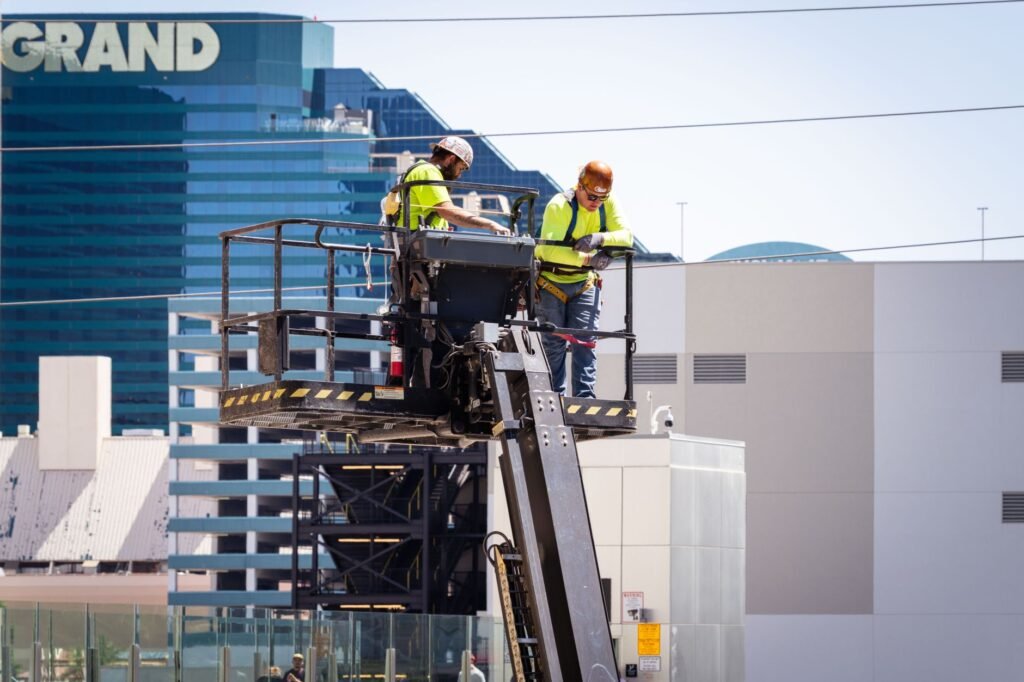
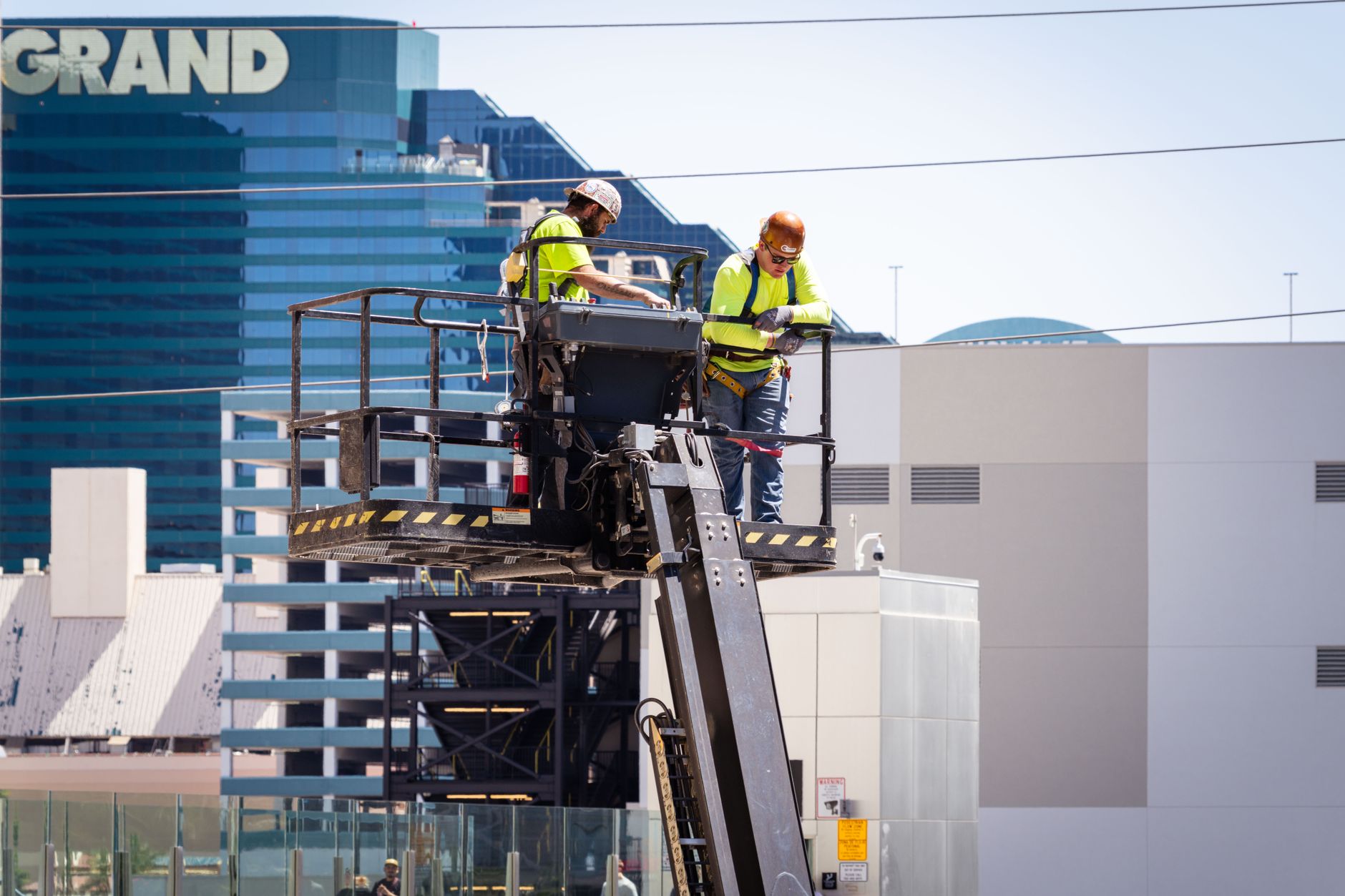
Thinking about the cost of exterior renovations? Well, start by looking at the current state of your building. Foundational or structural issues can't be ignored and will need fixing before you even think about cosmetic changes. These can really bump up your budget. Take a close look at the roof, walls, and other key parts to avoid any nasty surprises later. It's smart to set aside some extra funds for unexpected repairs that might pop up once work kicks off.
Material choice is another key element in determining renovation costs. While brick or stone might offer longevity and improved insulation, they’re generally more expensive than vinyl or fiber cement. However, cheaper materials may require more maintenance down the line. It’s a balancing act between upfront costs and future savings. Also, consider the local climate when choosing materials, as some options perform better in specific weather conditions, like moisture-resistant materials in rainy areas. For more insights, explore our facility services.
Labor costs can swing quite a bit based on where you are and the season. If you're in a big city with a steep cost of living, expect to pay more for labor, while rural areas might give you a break with lower rates. Timing matters too, doing your renovation in the off-peak season could score you some discounts, as contractors are often looking for work. Get a handful of estimates to get a feel for the going rates. Make sure you pick someone who knows the local building codes.
The scope of your renovation project can greatly impact both the timeline and the total cost. A simple repainting job might only take a few weeks. On the other hand, adding an extension or doing a full exterior revamp could take months. Bigger projects often require careful planning to ensure your business stays open while work is underway. Be sure to discuss your business hours and any crucial deadlines with your contractor.

What factors influence the cost of an exterior remodel?
The cost of an exterior remodel is influenced by your building's size, material choices, and the specific work involved. Larger buildings require more materials and labor, naturally driving up expenses. For example, upgrading the facade of a medium-sized office is more extensive and costly than a simple repaint. Material choice plays a big role too, like choosing brick veneer over vinyl siding, which can significantly increase costs.
Location impacts costs too, especially in places with a high cost of living. If you're in a city like New York or Los Angeles, expect steeper labor costs compared to smaller towns. The condition of your building also matters. If there are structural problems, fixing those will add to the tab before you even start on the cosmetic stuff. Discover more about exterior restoration for NYC businesses.
Permits and local regulations are another aspect that can influence costs. Each city has its own rules regarding construction permits, inspections, and approvals. If these aren't handled right from the get-go, they can lead to added time and expenses. Doing your homework on local building codes and ensuring all necessary permits are in place before starting work is crucial.
Design Complexity and Building Condition
The complexity of the design also plays a significant part in determining the cost. Simple designs generally require less labor and resources, while more intricate designs demand skilled labor and additional materials, driving up expenses. Custom features or architectural details, such as unique windows or ornate trims, require more expertise and time, which can lead to higher costs.
The current state of your building's exterior can really impact the total cost. If the facade is in rough shape, more extensive repairs might be needed before any cosmetic work begins. This means checking things like the roof, siding, and foundation for hidden issues. Catching these problems early can save you from spending more on fixes shortly after the renovation.

Contractor Selection and Availability
Choosing a contractor and their availability can also affect your budget. Contractors with a solid reputation may charge more, but their expertise often means fewer delays and higher quality work. However, they might be fully booked, especially during peak renovation seasons, impacting both cost and timeline. Booking a contractor in advance can help you secure a reasonable rate and schedule.
How do I decide which exterior restoration options are best for my property?
Choosing the right exterior restoration options depends on your building's condition, budget, and future needs. Start by looking at what needs attention, could be roofing, siding, or windows. Focus on structural integrity first. If you've got leaks or drafts from the roof or windows, tackle those right away to avoid bigger issues later.
Think about materials that align with both your budget and future maintenance plans. High-end options like stone or brick cost more upfront, but they tend to last longer, reducing the need for frequent repairs. Cheaper options, like vinyl or fiber cement, might be less expensive initially and easier to maintain. Weighing initial costs against long-term savings can guide you in making the best choice.
Consider Climate and Professional Advice
Location and climate matter when picking materials. In areas with harsh weather, like heavy snow or blazing heat, you'll need tough materials that can take the beating. If storms are common where you are, it might be worth investing in impact-resistant options. Knowing how local weather affects materials can help you choose wisely.
Talking with professionals can give you better insights into what works best for your building. They can assess your specific situation and recommend the right materials and designs. This kind of advice helps you avoid unnecessary upgrades, focusing only on what’s truly needed. If you're in Los Angeles or New York, check out our exterior restoration services for Los Angeles, CA for some expert guidance.

Timing and Long-term Considerations
Timing your renovation project is another crucial aspect. Renovations planned during off-peak seasons may have lower labor costs and quicker turnaround times due to less competition for resources. Additionally, scheduling work in mild weather can prevent delays that might occur during adverse conditions. A well-timed project can make the renovation process smoother and potentially more cost-effective.
Think long-term about your renovation choices. How will these changes affect your building's energy efficiency and value? Energy-efficient windows might cost more at first, but they can save you on utility bills down the line. Making smart choices now can boost your property's performance and appeal in the future. Ready to get started or just need some pointers? You can [get a free quote]( /contact-us/) from us.
What common mistakes should I avoid during an exterior renovation?
Skipping the initial assessment in exterior renovations is a common mistake that can lead to unexpected costs. A thorough inspection can reveal hidden issues that need fixing before any cosmetic work. If you skip this step, you might end up redoing work, which is far from cost-effective. It's like painting over a rusted fence, it might look fine for a while, but eventually, the rust will resurface, causing more trouble.
Underestimating the need for permits and understanding codes is another blunder. Not having the right permits can get you fines or force you to undo completed work. Always check local building codes and pick a contractor who knows them inside out. This is really important for commercial properties, where rules can be stricter. In some areas, you might need special permits for certain materials or design changes, so having a knowledgeable person on board is a plus.

Weather and Material Considerations
Not considering how weather affects your project timeline and costs is a common oversight. If you're in an area with harsh winters or rainy seasons, these conditions can delay work and increase labor costs. For example, starting a roofing project just before the rains could lead to unexpected halts and require temporary protection measures. Planning your renovation during milder months can help keep your schedule and budget intact.
Ignoring the maintenance requirements of chosen materials is another oversight. Some materials may have lower upfront costs but could require more frequent upkeep, which adds to long-term expenses. For example, wood siding might be cheaper initially than fiber cement, but it requires regular painting or staining to maintain its appearance and resist the elements. It's wise to weigh these future maintenance costs when selecting materials.
Budgeting and Contractor Selection
Failing to set a realistic budget that includes a cushion for unforeseen issues can disrupt your renovation plans. It's quite common for unexpected structural problems to emerge once work begins, adding to costs. By setting aside a contingency fund of about 10-20% of the project's cost, you'll be better prepared to handle surprises without halting progress. This can spare you the hassle of scrambling for more funds mid-project.
Going for the cheapest option might seem smart, but it can backfire later. While staying on budget is important, the lowest bid might mean poor work or inferior materials. It's better to weigh estimates against the reputation and experience of the contractor. Look for those with proven records and good reviews, as they're more likely to give you better value and fewer headaches over time. Got questions or need more guidance? Feel free to give us a call.
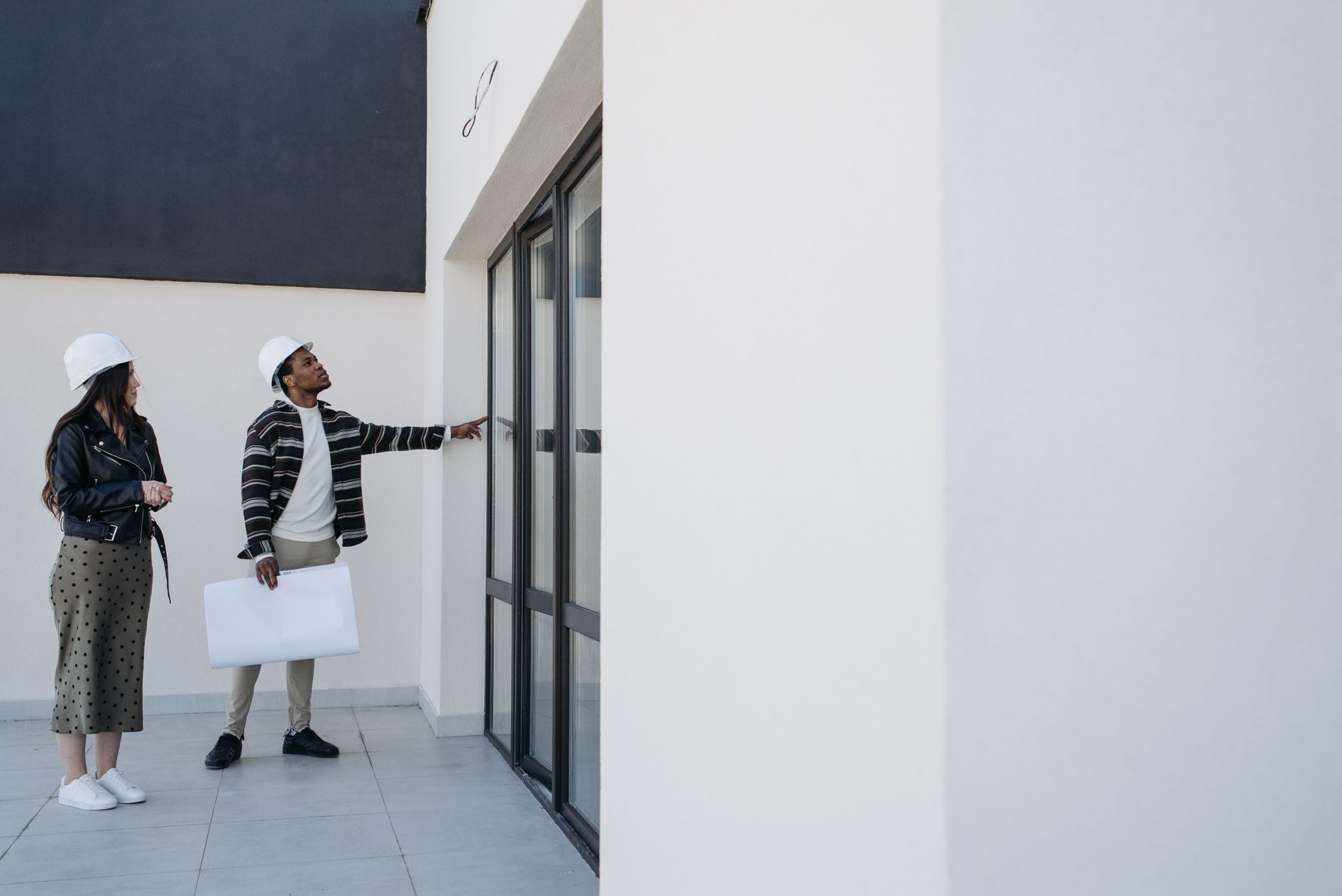
When should I bring in a professional for exterior restoration, and how long does the process typically take?
For jobs that require specific skills, like structural repairs or intricate designs, it's best to bring in a professional. Professionals are essential for large-scale projects that involve coordinating multiple tasks. They use their expertise to manage the project efficiently and to high standards. If you're dealing with historic buildings or strict local regulations, having a pro can help you navigate these challenges.
For projects involving extensive changes or repairs, a professional ensures that everything is up to code and done safely. They bring the experience needed to handle unexpected issues that could arise during the renovation process. This can prevent costly mistakes and delays. For instance, if you're dealing with structural damage or outdated electrical systems, a seasoned professional knows how to manage these complexities without compromising the integrity of the building.
Factors Influencing Project Duration
How long your renovation takes will depend on your building's size, the weather, and the complexity of the work. A simple paint job might be completed in a few weeks, while a complete facade makeover could stretch over several months. Bad weather can disrupt schedules, so it's wise to factor in some extra time for rainy or stormy days. If you're in an area known for severe weather, planning for interruptions can help keep things on track.
The availability of materials and scheduling of subcontractors also play a role in the timeline. Some materials might take longer to procure, especially if they're custom or shipped from afar. Coordinating the schedules of different tradespeople, such as roofers, painters, and electricians, adds another layer of complexity. Working with a professional with strong ties to suppliers and subcontractors can really help streamline the process.

Planning and Communication with Contractors
Setting a timeline with your contractor helps you plan your business activities around the renovation. This minimizes disruptions to your daily operations and allows you to make necessary adjustments ahead of time. Agreeing on a realistic timeline with your contractor lets you allocate resources wisely. Plus, receiving regular updates from your contractor keeps you informed and helps avoid any unexpected surprises.
If you've got specific timelines in mind, talking to experts can help clear things up. Our [exterior restoration services]( /areas/new-york-ny-exterior-restoration/) are here to guide you. We can look at your building's details and advise on realistic timelines based on current conditions and what we've learned from past projects. Ready to refresh your property's look or tackle major structural work? We can help plan every step.
Our recommendations for your exterior renovation needs
We recommend starting with a professional assessment to determine your property's unique needs. This helps in prioritizing tasks and setting a realistic budget. A thorough evaluation will look at everything from your building's foundation to the roof, checking for signs of wear or damage that could become costly if left unaddressed. It's always better to address structural issues before moving on to aesthetic improvements, as these are often more expensive to fix after the fact.
When picking materials, think about cost, durability, and maintenance. In rainy places like the Pacific Northwest, water-resistant materials can save you from damage over time. Sure, upfront costs matter, but spending a bit more now on quality can save you money on future repairs and replacements. Chat with a trusted professional for insights tailored to your building's location and needs, and explore different materials that might come with longer warranties.
Aside from the material and labor costs, always account for the logistics of the renovation. If your building is in a busy urban area, coordinating delivery of materials and managing site access might require additional planning and potentially increase costs. Also, consider the waste management aspect of your project. For instance, removing old siding or roofing materials can incur disposal fees, which should be factored into your budget from the start.
Lastly, always plan your renovations with the weather in mind. Scheduling work during milder seasons can help avoid delays and potentially reduce costs. For example, in colder regions, tackling projects in spring or fall can prevent issues related to freezing temperatures. If you're ready to start or just need some advice, you can get a free quote from us, and we'll help you map out the best approach for your renovation plans.
Frequently asked questions
How often should I renovate the exterior of my commercial building?
Typically, commercial buildings need exterior renovations every 5 to 10 years. This can vary based on the building materials and environmental factors, like climate and exposure to weather elements.
What is the most durable material for exterior renovation?
Brick and stone are often considered the most durable materials for exterior renovations. They offer long-term durability and require less maintenance, though the initial cost is higher compared to other options.
Do I need a permit for all types of exterior renovations?
Not all exterior renovations require a permit. Minor changes like painting might not need one, but structural changes or significant modifications typically do. It's always best to check with your local building authority.
Need a hand with this?Call Servbon for a fast, friendly answer.
