Practical Plumbing Solutions in New York City
Discover how our plumbing services solve common NYC issues, from pipe leaks to water pressure woes.
In New York City, plumbing systems can be as varied as the buildings themselves. Look at places like SoHo and the Upper West Side, where many structures date back to the early 20th century. These often have their original plumbing, which wasn't built for today's water use. The real puzzle is the mix of old and new systems. Whether it's a historic brownstone or a renovated loft, knowing your plumbing setup can really help when planning upgrades or repairs.
Weather in New York City also plays a role in plumbing issues. The city experiences cold winters with temperatures sometimes dipping below freezing, which can lead to frozen pipes, especially in older buildings without modern insulation. In areas like Queens, where houses might be more spread out, it's not uncommon for exterior pipes to be at risk. Frozen pipes can burst, causing significant water damage and costly repairs. Installing pipe insulation and maintaining indoor temperatures during cold snaps can prevent these wintertime woes. For more tips on how to prepare your property, check Prepare Your Commercial Building for Winter.

Commercial Plumbing Demands and Solutions
New York City's lively restaurant scene, particularly around Williamsburg and the East Village, brings its own plumbing headaches. Commercial kitchens demand a lot from plumbing systems, with high water use and the constant risk of food particles and grease clogging pipes. Without proper management, problems can pop up quickly. Installing grease traps and keeping a regular cleaning routine can make a big difference. For restaurant owners, tackling these issues head-on is vital to avoid sudden closures and health code problems. Learn more about services for restaurants.
Water Quality and Regulatory Compliance
Water quality varies across the city, affecting plumbing in different ways. While New York City is known for having some of the best-tasting tap water in the country, the hardness of the water can vary, influencing how pipes and fixtures fare over time. In areas like Staten Island, where water hardness might be higher, mineral deposits can build up, affecting water pressure and leading to more frequent maintenance needs. Installing water softeners or filters can mitigate these effects, prolonging the lifespan of your plumbing system.
Plumbing rules in New York City are tough, and that's understandable given the city's crowded population and infrastructure needs. You have to stick to local codes to avoid fines and keep things safe. This is especially true for businesses planning renovations or expansions. Knowing the permitting process and working with folks who understand city regulations can save a lot of trouble. If you're a property manager or business owner, keeping up with these requirements is a smart way to dodge future issues.

Common Plumbing Issues in New York City Buildings
Another common issue in New York City is how changing temperatures affect plumbing systems. Winters here can be pretty harsh, and frozen pipes might burst, leading to big water damage. Checking that your building's pipes are well insulated is important, especially in unheated spots like basements or next to outside walls. Take a look at these areas before winter hits. It can save you from costly repairs and disruptions later on.
The city's water quality can also be a factor in plumbing troubles. Although New York's known for its soft water, there are still minerals in it that can build up over time. This scaling can hit water heaters hard, cutting into their efficiency and lifespan. Regular descaling and upkeep of your heating systems can help avoid unexpected breakdowns, especially in larger buildings that rely on a steady hot water supply.
Sewer and Water Main Issues
In crowded spots like Manhattan, sewer lines often get overloaded. This can lead to nasty sewage backups, and they're more than just annoying, they're a health risk. Setting up regular sewer line inspections with cameras can catch blockages before they turn into bigger issues. Knowing the capacity and condition of your sewer lines is crucial for keeping your business running smoothly. For more insights, see our blog on Spotting Plumbing Problems Early in Commercial Buildings.
With the city's old infrastructure, water main breaks aren't rare and they can cause major disruptions. These breaks might result in sudden water supply loss or even flooding, which affects your operations. Keep an eye on your water meter for any unusual usage spikes, as they can be a sign of trouble. If you notice anything odd, looking into it quickly can help prevent more damage.
Backflow problems are also a concern, especially in commercial kitchens and tall buildings. When the water pressure in the city's mains drops, contaminated water can sneak back into clean lines. Installing backflow prevention devices and running regular tests can protect your water supply. These steps are particularly crucial for businesses where hygiene can't be compromised.

Infrastructure and Commercial Plumbing Concerns
In New York's older neighborhoods, you might still find lead pipes, and they're a health risk. If your building is from the early 20th century, it's wise to have the pipes inspected and possibly replaced. Modern materials can eliminate these risks and even improve water flow and quality. Making this investment is key to looking after the health of your tenants or employees.
Local construction can also affect your plumbing systems. With ongoing development and roadwork, vibrations and shifts in ground pressure can impact underground pipes. Keeping tabs on nearby construction projects and doing regular checks can prevent unexpected damage or leaks. Staying aware of local developments is essential for proactive maintenance.
Consider the unique demands of commercial plumbing in a city that's always on the go. Restaurants, hotels, and office buildings often use a lot of water around the clock, which can strain plumbing systems. Installing high-capacity fixtures and keeping up with regular maintenance can help handle these demands. Following maintenance schedules keeps your plumbing ready to meet your business needs.
Repair or Replace: Making the Right Choice
In New York City, the age and historical value of many buildings complicate the decision to repair or replace plumbing. Older structures, particularly those with landmark status, might have plumbing that's not just outdated but also part of the building's original design. Fixing these systems can help maintain historical integrity, which is something to consider for property owners in places like the Upper West Side or Brooklyn Heights. However, sourcing rare parts can be pricey.
The city's climate also plays a role in plumbing decisions. With hot summers and cold winters, buildings in New York face temperature extremes that can impact plumbing. For example, pipes in older buildings might not be insulated up to today's standards, leading to freeze-thaw cycles that cause damage. In these cases, swapping them for insulated, modern pipes could fend off future problems. This is particularly important in areas closer to the waterfront, like parts of Queens, where conditions can be harsher.
Space and Business Considerations
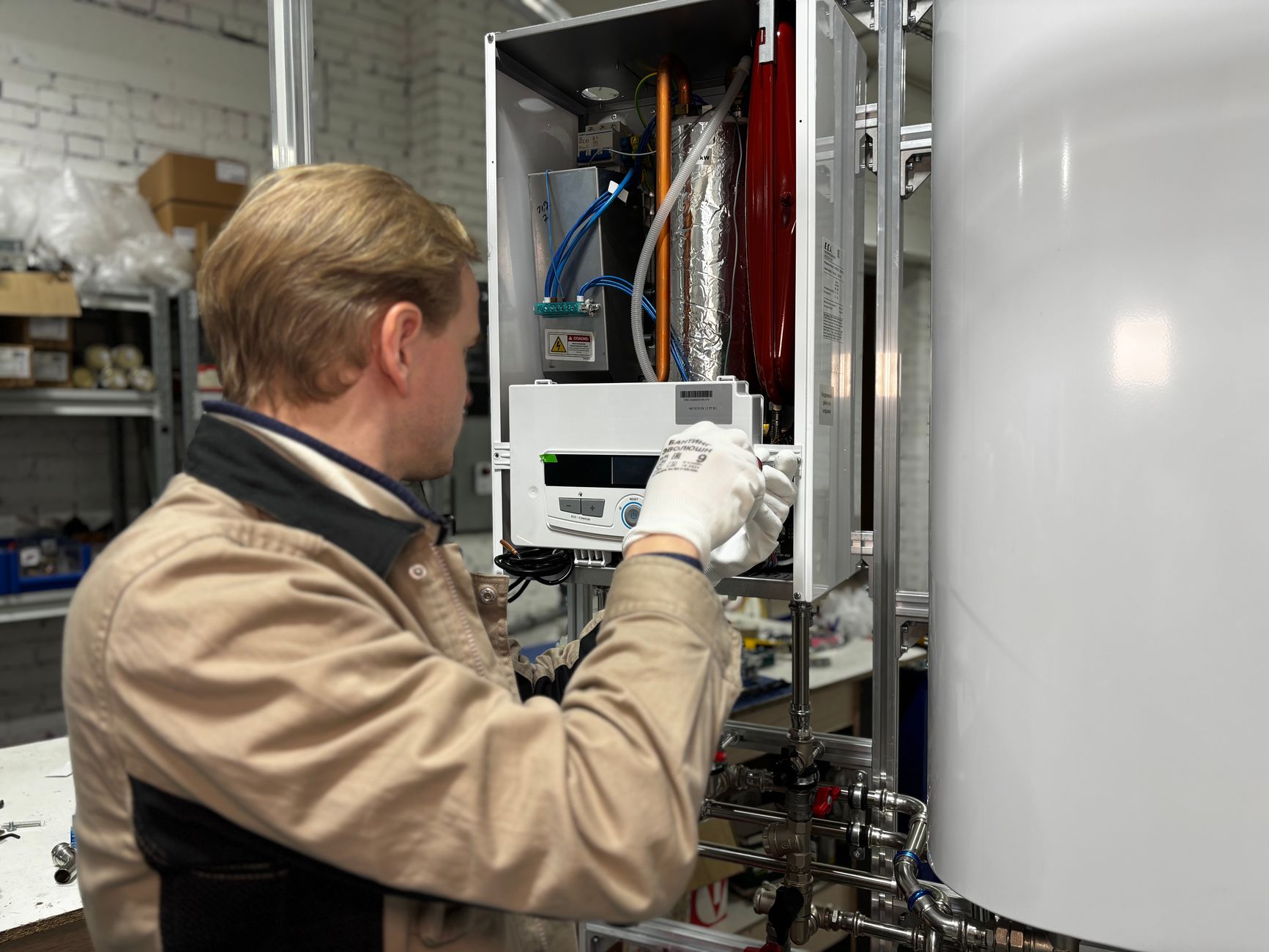
Space constraints in New York can also influence whether to repair or replace plumbing components. In densely packed areas like Manhattan, access to piping can be challenging, making repairs more complex and sometimes more expensive than a full replacement. When plumbing is located in tight spaces or requires significant demolition to access, it might be more economical to replace the entire system with a more accessible layout.
The type of business you run matters too. Restaurants have different plumbing needs compared to an office building. In a restaurant, frequent plumbing issues can disrupt service and cut into revenue. In high-usage settings, upgrading to higher-capacity systems can reduce repairs and help operations run smoother. Meanwhile, a small office might get by with targeted repairs to keep disturbances minimal.
Think about the impact on tenants or employees. A big replacement job might mean longer downtime, affecting those who live or work in your building. Scheduling replacements during off-hours or quieter times can help ease this disruption. Meanwhile, frequent small repairs could mean constant interruptions, so it's crucial to weigh the impact on daily operations.
Future-Proofing and Modern Upgrades
As you look at your options, consider future-proofing your building. New York is always changing, and upgrading to modern systems can address current issues and boost your property's value. Investing in energy-efficient fixtures and systems can lower utility bills and attract tenants who value sustainability. If you're unsure, feel free to consult our team, we're here to help with decisions based on your property's specifics. For more information, contact us / get a free quote.
Our Approach to Plumbing in NYC
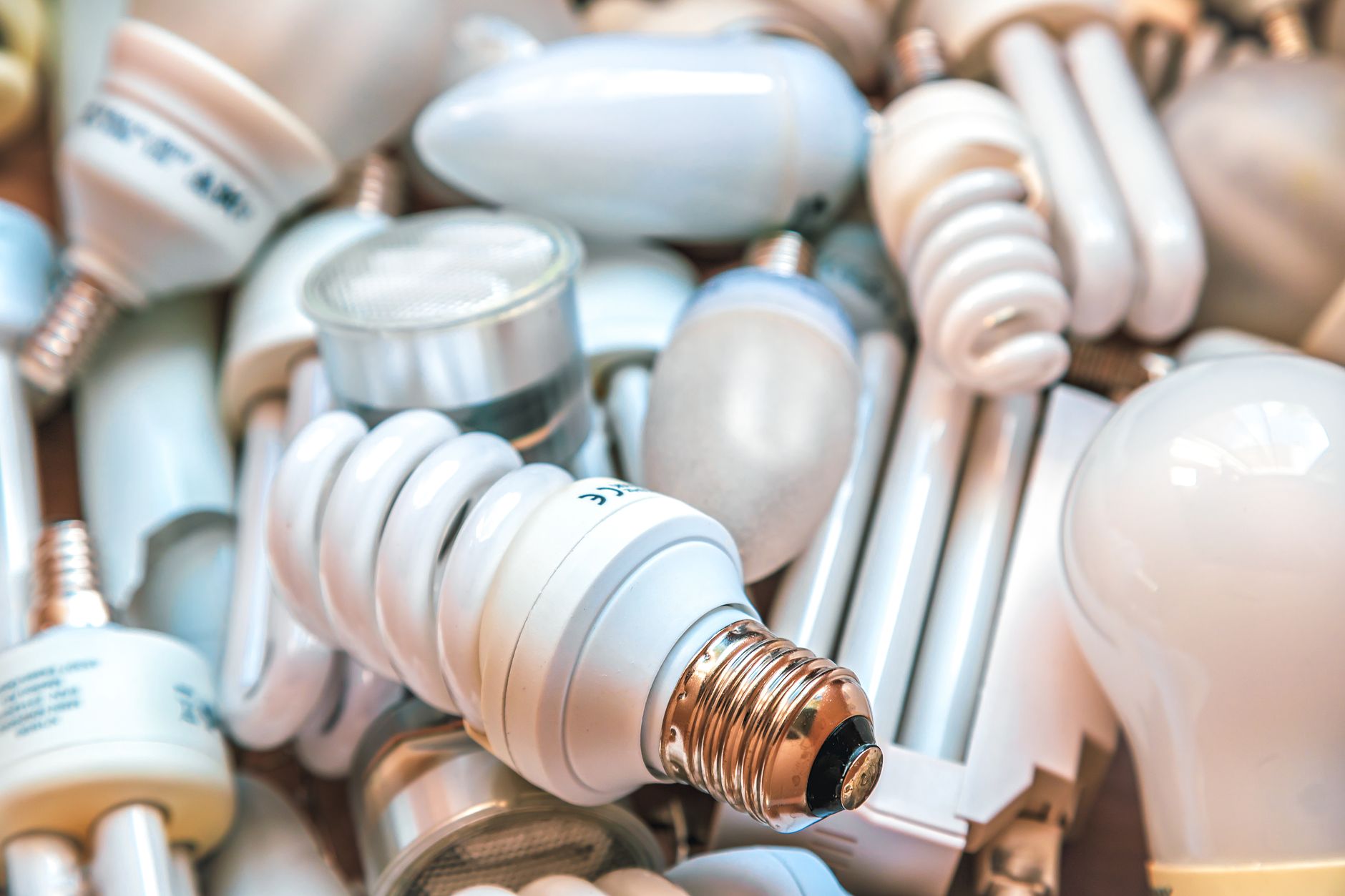
When our plumbing team arrives at your NYC location, you'll notice they're equipped for quick action. We bring along not just the essential tools, but also the latest diagnostic equipment to tackle any plumbing issue, from a dripping tap in Midtown to a major leak in a Brooklyn warehouse. We aim to identify the problem promptly because, in a city that never sleeps, every minute counts.
Once we've pinpointed the issue, we present all possible solutions. We know plumbing decisions aren't always straightforward, so we clearly lay out the advantages and potential pitfalls of both repair and replacement options. Our goal is to provide you with a full understanding of the situation, empowering you to make the choice that best aligns with your business needs and budget.
Should you opt for a repair or replacement, we get started without delay. Our team's experience across the boroughs means we're familiar with the nuances of different building types, from the historic co-ops of the Upper West Side to modern commercial spaces in Long Island City. We focus on completing the job with minimal interruption, recognizing that downtime can impact both your operations and bottom line.
After we finish the work, we make sure to clean up thoroughly, knowing that businesses can't deal with leftover mess. If you're in a shared office space or a busy restaurant in the East Village, we leave the place spotless. This helps you get back to your routine without dealing with a messy clean-up.
Additionally, we offer insights into maintaining your plumbing system, aiming to prevent future issues. By providing tips specific to your building's age and structure, from checking old pipes in Chelsea townhouses to managing high water demand in a Times Square hotel, we help you keep things running smoothly. If you're curious about our full range of services or how we can assist with your specific needs, check about Servbon.
Frequently asked questions
How often should I have my plumbing inspected?
It's wise to have a professional inspection at least once a year. Regular checks can help catch small issues before they become big problems, especially in older buildings common in New York City.
What are signs that I need to replace my plumbing?
Frequent leaks, noticeable water pressure drops, and discolored water can indicate that your plumbing is nearing the end of its lifespan. If repairs are becoming more frequent, it might be time to consider replacement.
Can I prevent plumbing issues in a busy restaurant?
Yes, regular drain maintenance and training staff on proper disposal methods are key. Implementing these practices can significantly reduce the risk of clogs and other common plumbing issues.
Need Plumbing in New York?Call Servbon for a fast, friendly answer.