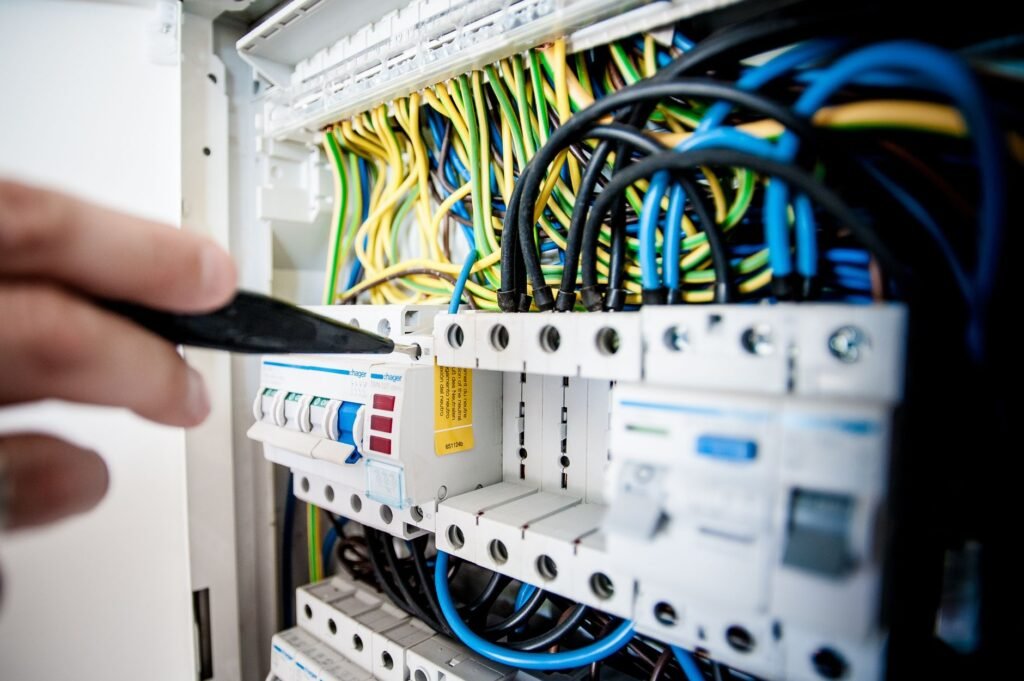
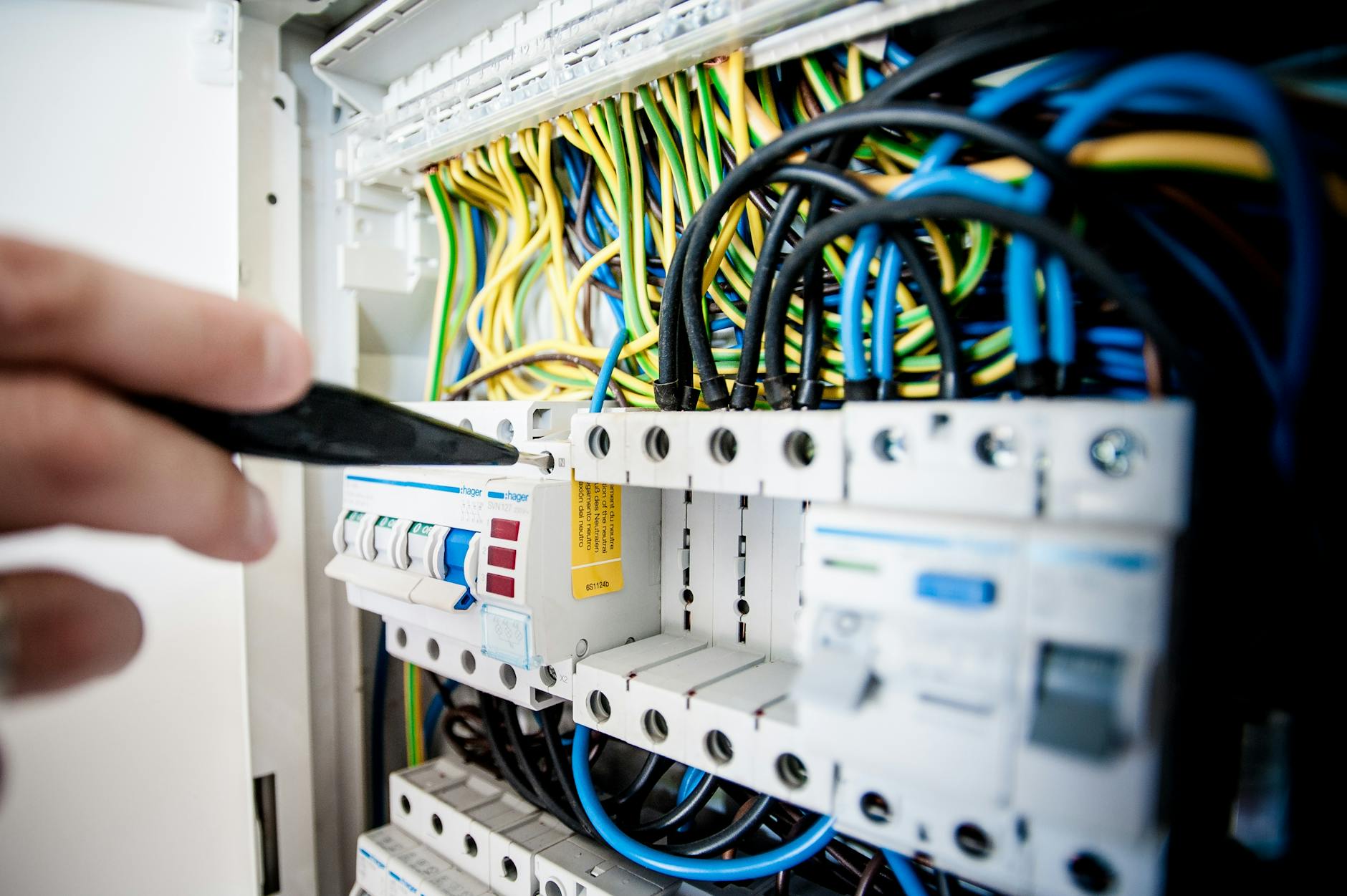
When assessing electrical costs per square foot, the type of building plays a significant role. For example, an office building with open-plan spaces might incur lower costs due to simpler wiring needs compared to a hospital where specialized circuits are necessary for medical equipment. The complexity of the project also influences the costs; intricate lighting designs or advanced automation systems can push expenses higher. Consider the building's function and how it impacts electrical load. For instance, a data center requires redundant power systems to prevent downtime, which adds to the overall cost. For more details on services in urban areas, explore Electrical Services for NYC Businesses.
Local labor rates can greatly influence your electrical costs. In high-cost areas like major cities, labor expenses can quickly eat into your budget. In rural places, you might find electricians charging less because living expenses are lower. It's wise to get several quotes from local pros to understand how labor impacts your budget. Remember, rates can differ even within the same city, often reflecting the neighborhood's economic conditions or the demand for skilled workers.
The choice of materials for your electrical project can really impact costs. While higher-quality wiring and components might cost more upfront, they can save you money on maintenance and repairs later. Think about the long-term benefits and the potential energy savings that come with using better materials. The right materials can also boost energy efficiency, which cuts down on operating costs over time. Discussing your options with a professional can help you balance immediate costs against future savings.
Building codes and regulations aren't just red tape; they're crucial for planning electrical work. Following local codes ensures safety and keeps you out of legal trouble, which could delay projects. These codes can dictate the materials and installation methods, affecting both time and budget. Keeping up with changes in local rules is important, as they might affect your project scope or costs. Working with electricians who know the local laws can help you avoid costly changes later on.

How much does electrical work cost per square foot?
Electrical work in commercial buildings typically ranges from $3 to $10 per square foot. This range is influenced by several factors, including the type of building, the complexity of the installation, labor rates, and the materials used. For instance, a simple office space might be on the lower end, while a restaurant or medical facility could be higher due to specialized equipment and safety requirements.
Think about the size and purpose of your space before you kick off a project. A restaurant, for example, needs more complex wiring for kitchen gear and specialized lighting than an office, which focuses on computers and telecom systems. Medical facilities have unique needs for specialized outlets and equipment, driving costs up. Labor rates can vary widely too, so checking local pricing will give you a better idea of what to expect.
Material Quality and Future Planning
When you're weighing material options, remember that quality affects the price tag. High-quality wiring, fixtures, and panels may seem pricey upfront but usually need less upkeep and work better over time. It's also smart to think about future needs, as investing in a system now can save you from costly upgrades later. Careful planning and professional advice help make sure your estimates are accurate and your choices are sound.
Local building codes and permits aren't just hurdles when calculating costs. These rules can vary and might change your project's timeline and budget. Following them is more than a rule; it's a way to keep things safe and reliable. Some areas have specific requirements for materials or installation methods, so staying informed is key.

Environmental and Technological Considerations
Consider how tech changes might affect your electrical setup. As technology grows, so could your electrical needs. Planning for future updates can save you from major overhauls later. Having a chat with a professional about these possibilities can give you ideas on the most flexible and forward-thinking solutions.
The weather and environment can influence your electrical costs. In areas with cold winters, heating systems demand more power, altering the electrical plan. On the flip side, hot summers mean you need more cooling capacity. Understanding these local weather quirks helps you design a system that fits your business needs all year. If you'd like more insights, consider reaching out to us for a consultation.
How should I determine the electrical needs for my commercial property?
Figuring out the electrical needs for a commercial property involves looking at the building's use, current setup, and future plans. Start by checking your business's power usage and equipment needs, as this is crucial to ensure the system you set up today will meet both current and future demands. Consider how each part of the property will be used, as this can greatly influence the electrical system you'll need.
If you're running a restaurant, for example, you'll need to think about the demands of commercial kitchen appliances, which often require dedicated circuits. Retail spaces might prioritize lighting and climate control, making it essential to evaluate the capacity of your HVAC systems. Each type of business places unique demands on the electrical system, so understanding these demands helps in choosing the right wiring, outlets, and panels. For specialized needs, check out our services for medical clinics.

Evaluating Existing Infrastructure and Safety
The electrical setup you have now can be a help or a hassle. Older buildings might have wiring that can't safely handle today's demands. Updating these isn't just convenient; it's a safety must. Sometimes new panels or circuits are needed to meet increased power needs. Ignoring these from the start can lead to unexpected expenses and safety risks.
Future growth and tech changes should be part of your planning. As your business expands, so will your electrical demands. Installing a system that can grow with you now is cheaper than dealing with big updates later. Planning for growth helps you avoid business interruptions and the extra costs of last-minute changes.
Professional Guidance and Strategic Planning
Bringing in a professional can offer insights you might miss when figuring out your electrical needs. They can help make sure your system follows local rules and supports what your business uniquely requires. They guide you on picking the right materials and layout, which can prevent pricey errors.
Understanding your commercial property's electrical needs from the outset can make a big difference in your project's success. By evaluating your current and future needs, considering your existing infrastructure, and seeking professional advice, you're more likely to implement an electrical system that supports your business effectively. If you have specific questions or need further assistance, consider reaching out to us for expert advice.
What common mistakes should I avoid when estimating electrical costs?
Overlooking hidden costs and neglecting future needs are common pitfalls. Ignoring local regulations can also lead to unexpected expenses and delays. One of the initial missteps is underestimating the electrical load required for your specific operations. It's crucial to assess the types of equipment and machinery your business relies on, as underestimating power needs can lead to inadequate service and potential disruptions.
A common slip-up is not budgeting for permits and inspections, which can differ by area. These legal steps keep your electrical installations safe and up to code. Skimping on materials or quality to save cash often leads to more repairs and higher costs in the long run. Remember that different businesses may face varied permit fees, so checking local rules is crucial for accurate budgeting.

Planning for Future Growth and Efficiency
Another mistake is not planning for future growth. As businesses expand, their electrical needs grow too. Not preparing for this can lead to expensive updates down the line. Ignoring how technology fits into your operations can mean inadequate infrastructure, affecting efficiency. To avoid this, analyze your business's growth path and tech requirements. This foresight helps you invest in a system that can handle future advancements and expansions.
Energy efficiency measures can significantly impact your costs over time, a detail often overlooked. Energy-efficient lighting, appliances, and systems might cost more initially but can drastically cut utility bills. Keep an eye out for incentives and rebates for energy-efficient setups, as these can offset initial costs. This approach not only helps the environment but also saves money.
Considering Building Layout and Professional Advice
A common pitfall is overlooking your building's layout and specific requirements when estimating costs. Older buildings might need extensive rewiring, which can really drive up expenses. Consider your property's infrastructure and any unique challenges it may present. Knowing these factors helps you get a more accurate quote from electricians and avoids surprise costs.
Talking with experienced electricians gives you a clearer idea of potential costs and helps you make smart decisions. For more guidance, feel free to contact us for a consultation. Working with professionals from the start can offer insights into cost-saving solutions and compliance with local rules. They can also give valuable advice on maintaining and updating your electrical systems to meet both current and future needs.
When is it necessary to hire a professional electrician for my project?
Bringing in a professional electrician is crucial for new installations, big upgrades, or dealing with complex systems. They provide safety, compliance, and efficiency. For most commercial jobs, their expertise is vital in handling regulations and technical needs.
Large-scale projects such as full-building rewires or new construction generally require professional intervention. These projects involve significant planning and execution that amateur efforts can't match. Similarly, if your property undergoes significant renovations, involving a pro from the outset can prevent costly mishaps.
Handling specialized equipment like HVAC systems or industrial machines needs expert know-how. An electrician will make sure systems fit with existing infrastructure and meet all safety codes. This lowers the chance of system failures or safety problems.
When dealing with older buildings, a professional can assess and upgrade outdated wiring and panels. Older infrastructure might not handle modern electrical demands or comply with current safety standards. A pro will identify necessary upgrades to prevent potential hazards and improve overall energy efficiency.
Lighting design and installation is another aspect where professional electricians shine. In commercial settings, proper lighting affects both aesthetics and functionality, so it's not just about hanging fixtures. An electrician can design a system that meets your needs, optimizes energy use, and aligns with local lighting codes.
For projects involving backup generators or alternative energy, professional advice is crucial. These systems need to be precisely integrated with current electrical setups to work correctly during emergencies. A professional will check that your backup power systems are reliable and legally compliant. If you're considering these projects, seeking expert advice is a smart move.
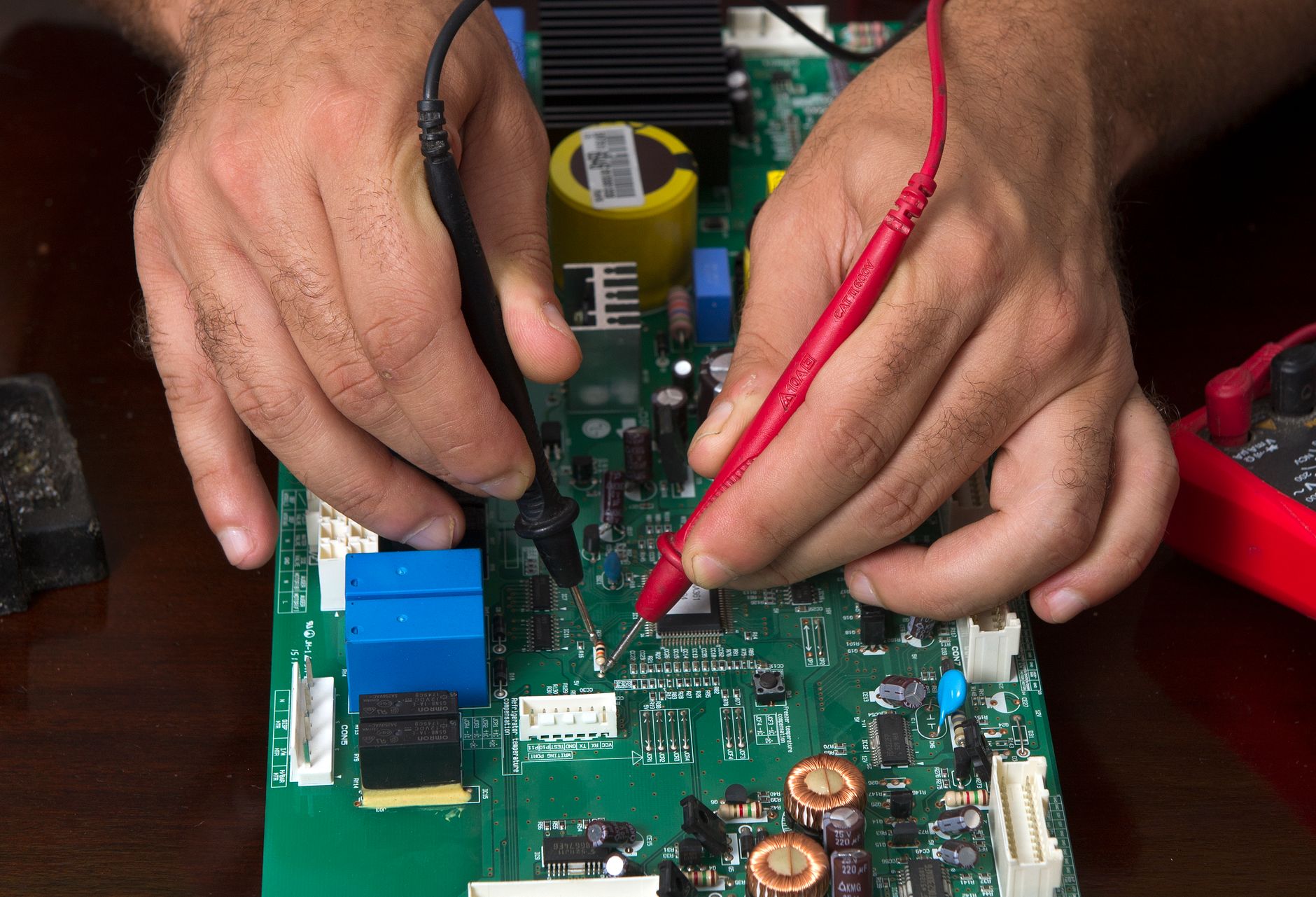
Our recommendation for managing electrical projects
Getting professionals involved early in your electrical project is more than a good idea; it's crucial to avoiding pitfalls. By assessing your building's unique electrical needs and any future expansion plans early on, you make sure the system you install today meets current demands and can grow with your business. This foresight helps avoid the costly mistake of needing upgrades too soon. Reliable estimates and choosing quality materials might seem like a big upfront cost, but they often save money and stress later.
It's crucial to keep a regular schedule for maintenance checks. These aren't just routine; they help catch minor issues before they escalate into expensive emergencies. Regular upkeep also means your systems are more likely to comply with local codes, sparing you from fines and legal problems. Also, think about future scalability. Investing in a system that's flexible can make expansions much less of a hassle when the time comes.
Working with professionals can make complex planning easier. If you're unsure about meeting local codes or which quality materials suit your building best, expert advice makes a difference. They can also help you plan for potential expansions, making sure that the electrical system you install now won't need a full overhaul in a few years. Always think about long-term growth and tech advances when planning.
If you have questions while planning or need expert advice, we're here to help. Our team can provide guidance specific to your project needs. Whether you're after a quick consultation or a detailed project quote, we're just a phone call away. Let us help you make smart decisions that match your business goals.
Frequently asked questions
How much does electric radiant floor heat cost per square foot?
Electric radiant floor heating usually costs between $6 and $12 per square foot to install. Prices vary based on the floor type and the complexity of the installation. Larger spaces or those requiring custom solutions may see costs on the higher end of the range.
How can I keep electrical costs down during a commercial renovation?
Start by planning thoroughly and sticking to a budget. Avoid last-minute changes, as they can lead to unexpected expenses. It's wise to get multiple quotes from electricians to compare prices. Also, consider energy-efficient options; they might have a higher upfront cost, but they save money in the long run. Lastly, schedule work during off-peak times when electricians might offer better rates.
What factors can lead to unexpected increases in electrical costs per square foot?
Several factors can bump up the electrical costs per square foot. Changes in building codes or regulations might require additional work or materials you hadn't planned for. If your building has older wiring, it could need more extensive upgrades than a newer structure. Accessibility issues, like hard-to-reach areas or needing to work around existing infrastructure, can also add to labor costs. It's wise to have a contingency budget for these surprises.
Need a hand with this?Call Servbon for a fast, friendly answer.
