Winter Maintenance Tips for Lodi Businesses
A winter maintenance checklist for commercial properties in Lodi and North Jersey: heating, frozen pipes, roofs, snow plans, lighting and floors.
Why winter preparation pays off
Winter in North Jersey is hard on commercial buildings. Freezing nights, heavy snow, ice storms and the occasional thaw that sends meltwater where it should not go all test a property's heating, plumbing, roof and grounds. Most winter emergencies, like a boiler that will not start, a burst pipe in an empty unit or a roof leak over a storeroom, trace back to something that could have been caught in the fall.
For business owners and property managers in Lodi and the surrounding towns, a few weeks of preparation before the first hard freeze saves money and disruption later. The checklist below covers the main areas to look at. Some of it you can handle yourself, and some needs a qualified technician. The goal is simply to find the weak spots while the weather still gives you time to fix them.
It also helps to write down what you find. A simple list of each building's heating equipment, water shutoffs, roof drains and contacts for snow removal means anyone covering for you during a storm knows where to look and who to call.

Heating systems come first
Your heating system will run almost constantly from December through March, and a failure in January is far more disruptive than a repair in October. Have boilers, furnaces and rooftop heating units inspected before the season. A technician should test the burners, ignition and flame safety controls, clean or replace filters, check belts and motors and confirm that venting and flues are clear and working properly. Learn more about our facility services.
Carbon monoxide safety is part of this check. Every fuel-burning appliance produces carbon monoxide, and a cracked heat exchanger or blocked flue can let it into the building. Make sure carbon monoxide detectors are installed where required and that they work.
If tenants complained last winter about rooms that were too cold or too hot, now is the time to deal with it. Uneven heat often comes from controls, thermostats, dampers or, in steam systems, failed vents and traps, and these are much easier to repair before the system is running full time.
Protect pipes from freezing
Frozen and burst pipes are one of the most expensive winter problems a commercial property can have. Water expands as it freezes, and a pipe that splits overnight can release a large amount of water into walls, ceilings and stock before anyone arrives in the morning.
Start by finding the pipes most at risk: those along exterior walls, in unheated storage areas, loading docks, crawl spaces and above ceilings near the roof. Insulate exposed pipes, seal gaps where cold air gets in around pipe penetrations, and make sure heat reaches mechanical rooms. Disconnect and drain exterior hose bibs, and shut off the supply to them from inside if they are not frost-free.
Vacant units and buildings that close over holidays need particular care. Keep the heat set high enough to protect the plumbing, and arrange for someone to check the property regularly. Fire sprinkler systems need attention too: dry systems should be checked by a qualified contractor, and wet systems in cold areas must be protected from freezing. Know where your main water shutoff is and make sure staff on site know as well, so a burst pipe can be stopped quickly. For specialized services, see our commercial plumbing solutions.
Roofs, gutters and drains
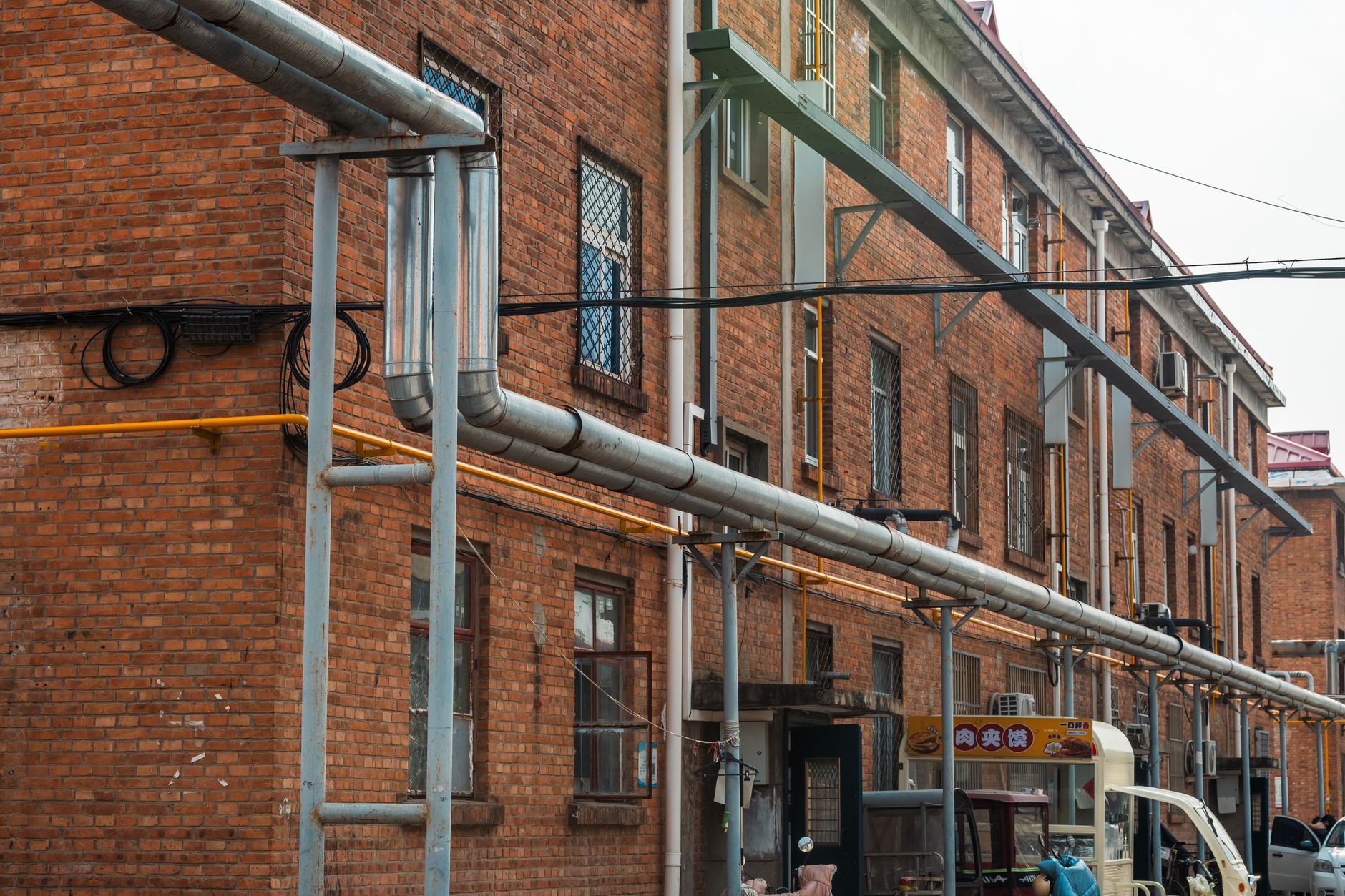
Before the snow arrives, have the roof inspected for damaged flashing, open seams, blocked drains and debris. Flat commercial roofs depend on their drains and scuppers to shed water, and when leaves and debris block them, water and snow pile up, adding weight and finding every weak point in the roof membrane.
Clean gutters and downspouts so meltwater can drain away from the building rather than overflowing and freezing on walkways or seeping into the foundation. Make sure downspouts discharge away from entrances and parking areas, since water pooling there will turn to ice overnight. If ice dams formed along the roof edge last winter, that usually points to heat loss or ventilation problems worth addressing before the next season.
Plan snow and ice removal before the first storm
Snow removal is not something to arrange the morning of the first storm. Agree with your contractor ahead of time on when they will plow, how much snow triggers a visit, where plowed snow will be piled and who handles sidewalks, entrances and steps. Snow piles should not block fire hydrants, drains, exits, accessible parking or sight lines at driveway exits.
Keep ice melt on hand at every entrance and use it before ice forms as well as after. Different products work at different temperatures, and some are gentler on concrete, landscaping and indoor floors than others. Slip and fall incidents are among the most common winter liability claims for businesses, and well-cleared, well-treated walkways are the best protection.
Lighting and safety for short days
By December it is dark before five in the afternoon, so the people leaving your building at closing time are walking out into the dark. Walk the property after dusk and look for burned-out fixtures, dark stretches of parking lot and walkways, and entrances that are poorly lit. Reset timers for the new sunset time, and check that photocells are clean and working.
Test emergency lighting and exit signs too. Winter storms increase the chance of power outages, and emergency lights that look fine day to day may have batteries that no longer work. Replacing weak batteries before winter means the building is ready if the power goes out.

Doors, floors and keeping pests out
Check exterior doors and windows for worn weatherstripping, gaps at the threshold and closers that let doors stand open. Drafts raise heating costs and make spaces near entrances uncomfortable for staff and customers. Adjusting door closers and replacing worn seals is quick, inexpensive work.
Floors suffer in winter as salt and slush are tracked in. Good entrance mats catch much of it at the door, and regular cleaning of salt residue protects hard floors and carpets from lasting damage. Plan a deeper floor clean for the spring to restore finishes once the season is over.
Cold weather also drives rodents indoors, looking for warmth and food. Seal gaps around pipes, vents and doors, keep loading areas and dumpster enclosures clean, and consider a pest control inspection in the fall, before mice and rats settle in for the winter.
Backup power and building systems
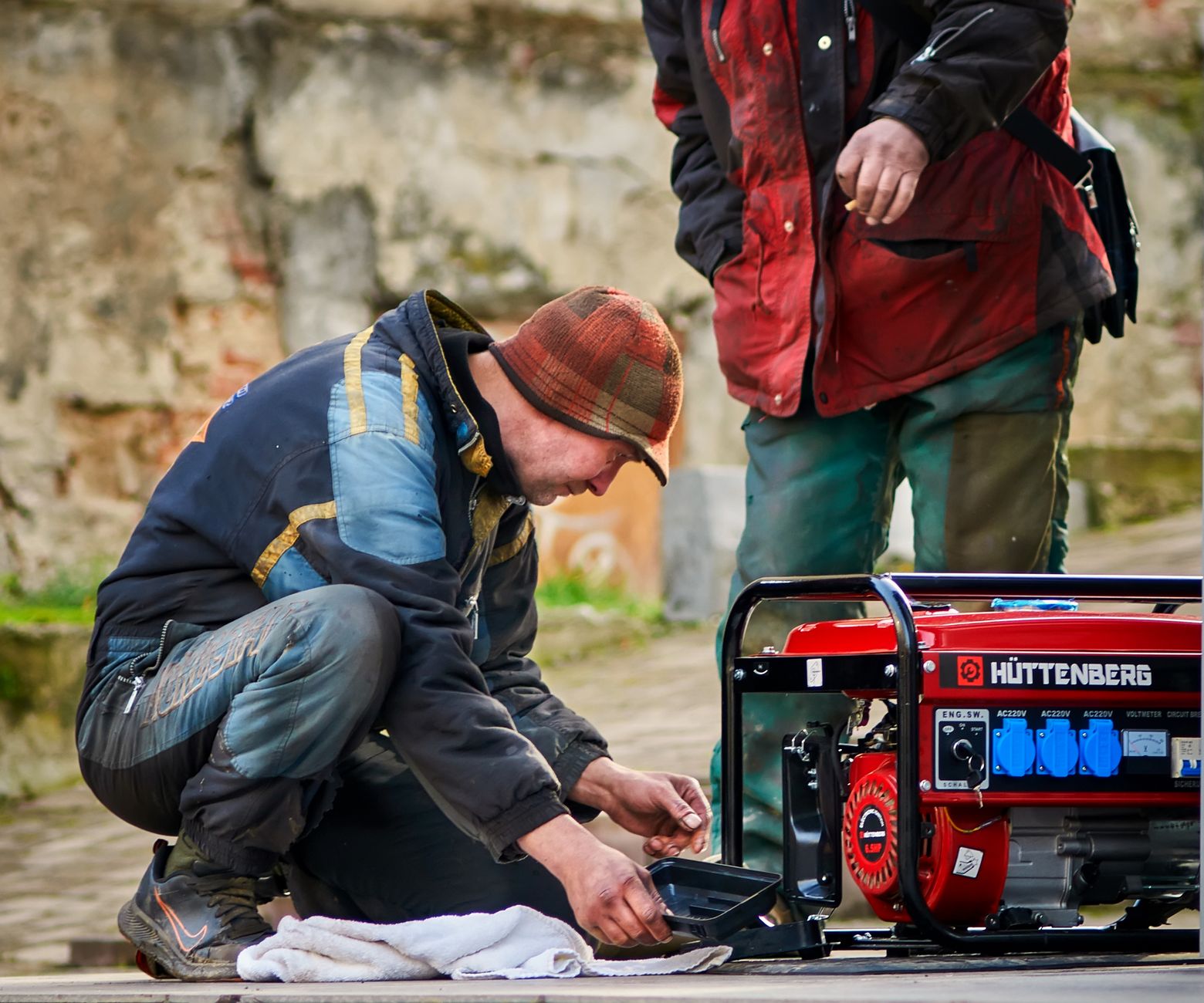
Winter storms bring a higher chance of power outages, so make sure your building can handle one. If the property has a backup generator, have it serviced and tested under load before winter, check the fuel supply and confirm the transfer switch works. A generator that has not run in months is the one most likely to fail when it is needed.
Sump pumps deserve a check as well, especially in buildings in low-lying parts of Lodi, where heavy rain and meltwater can raise groundwater quickly. Test that pumps switch on, discharge lines are clear and not frozen, and battery backups are charged. Finally, check that building alarms, fire systems and any remote monitoring will still work, and still alert the right people, if the power goes out.
One call for the whole checklist
Working through this list usually means several trades: a heating technician, a plumber, an electrician, a roofer, a cleaning crew and pest control. Coordinating them separately takes time most business owners and property managers do not have.
Servbon handles commercial facility services through one dispatcher, including HVAC, plumbing, electrical, janitorial, pest control and exterior work. Tell us what your building needs before winter using the Get a quote form on our site, and you will receive a written quote within one business day. We serve commercial properties in Lodi and across North Jersey.
Frequently asked questions
When should commercial heating be inspected?
In the fall, before the heating season starts. A technician can test burners, safety controls, venting and filters, and fix problems before the system is running full time.
How do we prevent frozen pipes in a vacant unit?
Keep the heat set high enough to protect the plumbing, insulate exposed pipes, seal drafts around pipe penetrations, drain exterior hose bibs and have someone check the unit regularly. Make sure staff know where the main water shutoff is.
Why do rodents become a problem in winter?
Cold weather drives them indoors in search of warmth and food. Sealing gaps around pipes, vents and doors, keeping waste areas clean and booking a fall pest inspection all help keep them out.
Need a hand with this?Call Servbon for a fast, friendly answer.


Leave a comment